Blog
— Blog Post
Why Do My Gums Bleed When I Floss?
Causes, Fixes, and When to Worry

Meg Assefa
If you notice a little pink on your floss or feel that familiar sting between your teeth, you’re far from alone. Bleeding gums when flossing is one of the most common dental complaints—and the good news is that it’s almost always fixable.
Your gums are trying to tell you something, and paying attention now can prevent bigger problems later. In this guide, we’ll walk through the real reasons behind the bleeding and share practical, dentist-approved steps to get your gums healthy and comfortable again.
Gingivitis: The #1 Reason Gums Bleed When Flossing
The most frequent culprit is gingivitis—the earliest stage of gum disease. It happens when plaque (that sticky film of bacteria) builds up along the gumline. If daily brushing and flossing don’t remove it completely, the plaque irritates the gums and triggers inflammation.
Over a few days, this soft plaque can harden into tartar that you can’t remove at home. The result? Swollen, tender gums that bleed easily when you floss.
The encouraging part: gingivitis is completely reversible. With consistent care, most people see the bleeding start to fade within 7–14 days. A professional cleaning removes the tartar and gives your gums the clean slate they need.
Could Your Flossing Technique Be Making It Worse?
Sometimes the bleeding has nothing to do with disease—it’s simply how you’re flossing. Using too much force or skipping the right motion can actually traumatize healthy gum tissue.
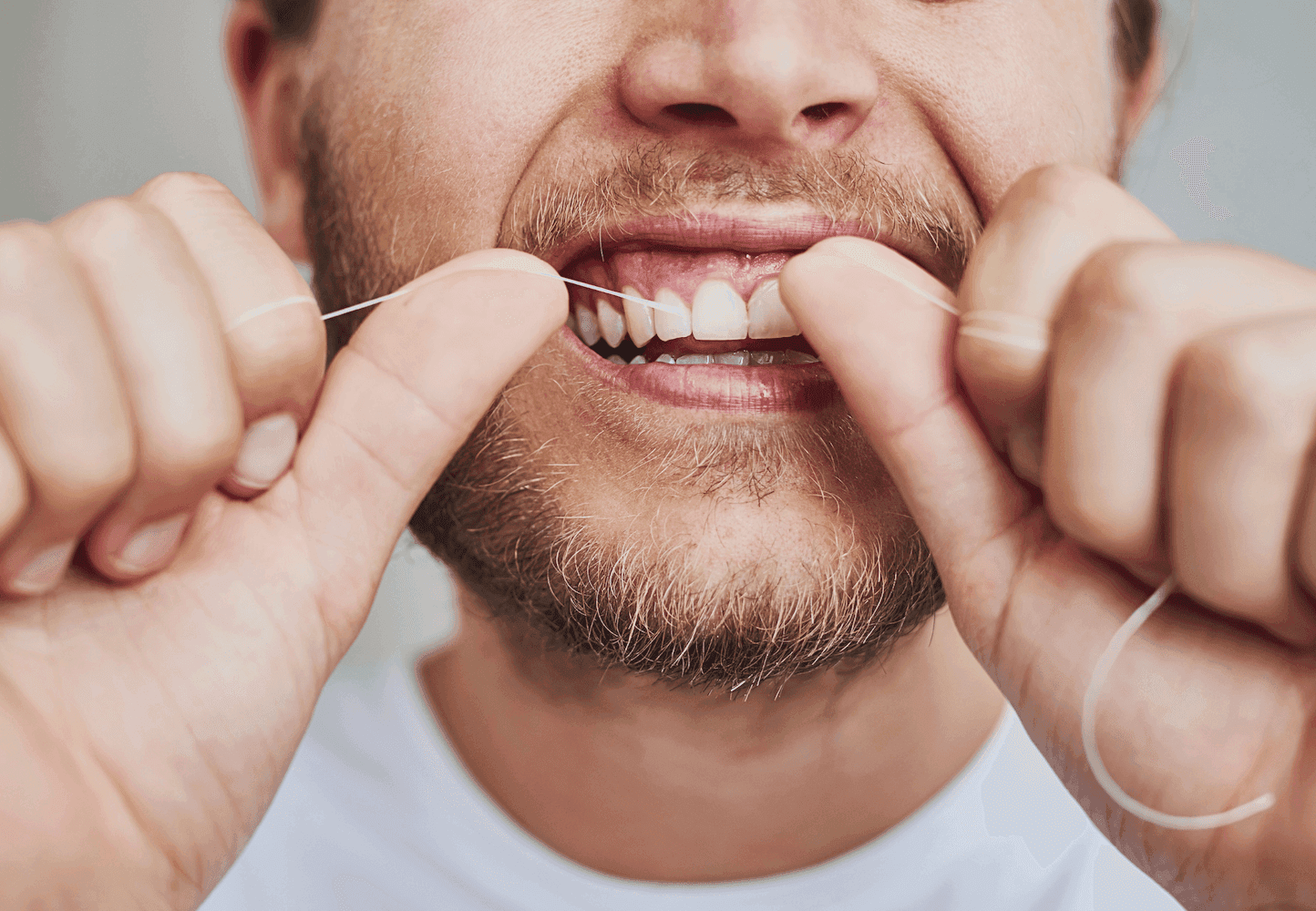
The fix is surprisingly simple. Here’s what proper technique looks like:
Use about 18 inches of floss and wrap most of it around your middle fingers
Gently slide it between teeth with a light sawing motion (never snap it down)
Curve it into a soft C-shape around each tooth and glide it just under the gumline
Use a fresh section of floss for each tooth
If you’re not sure your technique is spot-on, ask your hygienist at your next visit—they’re happy to give you a quick, personalized demo.
Other Factors That Can Cause Bleeding Gums
While plaque and technique are the top two reasons, a few other things can make your gums more sensitive:
Hormonal changes (pregnancy, menstruation, menopause)
Health conditions such as diabetes or blood disorders
Certain medications, especially blood thinners
Smoking or using tobacco products
If any of these apply to you, mention them at your dental appointment so we can tailor your care plan.
Simple Steps You Can Start Today
Don’t stop flossing just because you see blood—that actually lets more plaque build up. Instead, try this easy routine:
Brush twice a day with a soft-bristled toothbrush
Floss once daily using the gentle technique above
Rinse with an antimicrobial mouthwash to help control bacteria
Stick with it consistently for at least two weeks
Most patients notice a dramatic improvement in that short time.
When to Book a Dental Visit
If the bleeding improves within two weeks of better home care, you’re on the right track. But schedule an appointment right away if you notice:
Bleeding that lasts longer than two weeks
Swollen, red, or receding gums
Persistent bad breath or a bad taste in your mouth
Loose teeth or changes in your bite
Early action is quick, comfortable, and prevents more serious gum disease down the road.
Your smile (and your overall health) deserve the very best care. If your gums have been bleeding when you floss and you’d like personalized advice, we’re here to help. Give our office a call or book your next visit online—we can’t wait to get your gums feeling great again!
Dentistry with Heart!